
Waste and recycling sites can face several environmental challenges at the same time.
Dust can be generated by vehicle movements, material handling, stockpiles, crushing and screening, while odour may arise from waste reception, storage, processing and treatment activities. Site operators may also need greater visibility of changing environmental conditions around working areas and site boundaries.
ODS provides dust suppression, odour control and environmental monitoring solutions for waste and recycling facilities throughout Scotland.
Based in Ayrshire, we supply mobile, temporary and fixed systems that can be selected around the individual site, process and environmental issue.
Waste and recycling operations vary considerably.
A transfer station handling mixed waste will have different environmental challenges from an aggregate recycling facility, composting operation or materials recovery site.
Common sources of dust and odour can include:
For many sites, one environmental control system will not address every source.
Dust from a road may require a different approach from airborne material around a crusher, while odour from a reception area may need targeted misting or atomisation.
Recycling activities can generate airborne dust as materials are moved, sorted, crushed, shredded or transferred between processes.
Dust suppression can be positioned close to the source to help prevent particles dispersing through the wider facility.
Suitable systems can include:
The appropriate system will depend on whether the dust source is fixed or moving, the size of the working area and whether the operation takes place indoors or outdoors.
Read more about Dust Control Solutions.
Nozzle systems can provide targeted dust and odour control around defined areas of a waste or recycling facility.
They can be installed around:
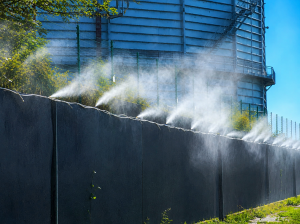
Fine mist can be directed towards the source, allowing the system to provide consistent treatment without unnecessarily spraying the wider site.
Nozzle systems can be configured for indoor and outdoor applications and can also be incorporated into automated control systems.
Read more about Nozzle Systems.
Some waste and recycling sites need to manage both airborne dust and nuisance odours.
Atomiser systems can generate fine droplets across larger working areas and can be used for dust suppression, odour management or a combination of both.
Applications may include:

Static systems can provide consistent treatment around fixed sources, while mobile units can offer greater flexibility where environmental issues move or change.
Read more about Atomiser Systems.
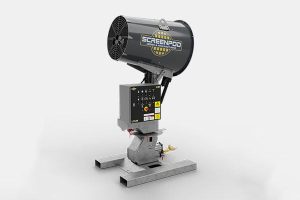 Crushing and screening recycled materials can generate concentrated dust around processing equipment.
Where the source is clearly defined, misting systems can be positioned close to crushers, screens, hoppers and discharge points.
Targeting dust close to where it is generated can help limit its movement through the wider site.
Where processing areas are larger or more open, mobile mist or dust cannons may provide broader coverage.
Read more about Dust Cannons.
Material transfer points are common sources of dust because materials fall, change direction or are discharged from conveyors.
Targeted nozzles can be positioned close to these points to capture airborne particles before they disperse.
Typical applications include:
Because the dust source is relatively contained, targeted suppression can often provide effective control while minimising unnecessary water use.
Read more about Nozzle Systems.
Stockpiles of recycled aggregate, soil, wood, waste materials and other loose products can generate dust during dry or windy weather.
Dust can also be released during loading, unloading and movement by plant.
Depending on the size and type of storage area, suppression can include:
Temporary or mobile equipment can be useful where stockpile locations change regularly.
Sprinkler systems can provide controlled watering across larger outdoor areas such as:
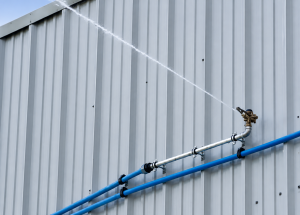
Fixed systems may be suitable where the same areas require regular treatment, while mobile sprinkler systems provide greater flexibility on changing sites.
Automated operation can also help provide more consistent dust suppression without repeated manual watering.
Read more about Sprinkler Systems.
Vehicle traffic can be one of the most persistent dust sources on waste and recycling sites.
HGVs, loaders and other plant can repeatedly disturb fine material on internal roads and yards.
During dry conditions, this can create continuous airborne dust throughout the working day.
Suppression options can include:
Treatment frequency can be adjusted according to traffic levels, weather and road condition.
Odour can arise from several areas of a waste operation, including waste reception, storage, handling and treatment.
The most appropriate odour-control method depends on the source and how emissions move through the site.
Potential solutions can include:
A system can be designed around individual emission sources rather than applying treatment indiscriminately across the whole site.
Waste reception and tipping areas can produce concentrated odour as loads arrive and material is moved or stored.
Where the source is relatively consistent, fixed nozzle or atomiser systems can provide regular treatment.
Systems can be positioned around:
The layout of the facility, airflow and operating pattern should all be considered when selecting the most appropriate system.
Read more about Atomiser Systems.
Monitoring can help operators understand how environmental conditions change around the facility.
Dust monitors can be positioned around:
Depending on the equipment selected, monitoring can provide continuous particulate measurements and alerts when predetermined thresholds are reached.
This can help site teams identify periods of elevated dust and assess whether additional control measures are required.
Read more about Dust Monitoring.
Monitoring and suppression can work together rather than operating as completely separate systems.
Real-time dust monitoring can identify changing particulate levels, while suppression systems can provide active control around the source.
For some operations, this can support a more responsive approach where suppression is increased when conditions change rather than operating continuously at maximum intensity.
This can also help sites better understand which activities are contributing most to airborne dust.
Environmental issues can become particularly important where waste and recycling sites are located close to residential properties, businesses, public roads or other sensitive areas.
Dust and odour may travel beyond the immediate working area depending on:
Source control remains important, but boundary treatment and monitoring can also form part of the wider environmental management approach.
Waste and recycling operations often include both enclosed processing areas and large outdoor yards.
These environments may require different equipment.
Indoor areas may benefit from targeted nozzle or atomisation systems positioned around specific processes.
Outdoor applications may require:
ODS can consider both environments when selecting systems for a site with multiple dust or odour sources.
Water can be an effective method of controlling dust, but excessive application can create unnecessary problems.
These may include:
Targeted fine mist can help control airborne dust without saturating the entire working area.
Larger droplet systems can then be used where surface watering is more appropriate, such as roads and outdoor yards.
Environmental issues on waste and recycling sites can be permanent, seasonal or connected to temporary operations.
ODS can provide systems suitable for:
Fixed nozzle, atomiser, sprinkler and monitoring systems can provide consistent environmental control around established processes.
Mobile dust cannons, atomisers and monitoring equipment can provide additional capacity during temporary works or changing site conditions.
Additional suppression can be deployed during prolonged dry weather when vehicle movements and stockpiles generate more dust than under normal conditions.
Mobile equipment can be particularly useful on recycling sites where working areas and material storage locations change.
A mobile system can be repositioned around:
This allows environmental control measures to follow the activity rather than requiring permanent infrastructure throughout the site.
Waste transfer stations can generate dust and odour during reception, handling, storage and onward movement of materials.
Environmental control may therefore need to address several different sources simultaneously.
Targeted misting around tipping or reception areas can help manage localised emissions, while monitoring can provide greater visibility around the wider facility and site boundary.
Materials recovery facilities can generate dust during sorting, shredding, conveying and material transfer.
Dust sources may be concentrated around individual pieces of processing equipment or spread across larger working areas.
A combination of local nozzle systems, atomisers and environmental monitoring can therefore be appropriate depending on the facility layout.
Facilities processing demolition and construction materials can generate dust from:
These sites may require similar dust-control methods to quarry operations, with different systems used around processing equipment and vehicle routes.
Read more about Quarry Dust Suppression Scotland.
ODS is based in Stewarton, Ayrshire and provides dust suppression, odour control and environmental monitoring solutions for waste and recycling operations throughout Scotland.
We can support facilities across:
The appropriate environmental-control system will depend on the individual operation rather than simply its location.
A large outdoor recycling yard may require very different equipment from an enclosed waste transfer station or material recovery facility.
ODS operates from Ayrshire and supports waste, recycling and industrial facilities throughout Scotland.
Sites dealing with several environmental issues can access dust suppression and odour-control systems through the same supplier.
Monitoring equipment can provide greater visibility of changing site conditions and complement active suppression systems.
Solutions are available for changing operational areas as well as permanent processes.
Site layout, process, material, water availability and the location of environmental sources can all influence equipment selection.
If dust, odour or changing environmental conditions are creating problems at your waste or recycling facility, ODS can help identify suitable control and monitoring options.
Tell us what materials are being handled, where the issue occurs and how the site operates.
We can discuss the available systems and identify an approach suited to your facility.
Common sources include crushing, screening, shredding, conveyors, stockpiles, material handling and vehicle movements across dry roads and yards.
Options can include nozzle systems, atomisers, dust cannons, sprinklers and mobile watering depending on the source and site layout.
Some misting and atomisation systems can be configured for dust suppression, odour management or a combination of both, depending on the application.
Fixed nozzle or atomiser systems can provide targeted treatment around reception halls, tipping areas, storage zones and other defined odour sources.
Yes. Dust monitoring equipment can provide continuous particulate measurements around processing areas, site boundaries and other selected locations.
Yes. Monitoring can help identify changing dust conditions while suppression equipment actively controls the source.
It depends on the operation. Fixed systems can suit permanent processes, while mobile equipment provides greater flexibility where stockpiles or processing areas change.
Yes. Nozzle and atomiser systems can be configured for indoor applications as well as outdoor sites.
Yes. ODS is based in Ayrshire and supports waste and recycling operations throughout Scotland.
Selected ODS equipment can be available for temporary hire depending on the system, availability and site requirements.